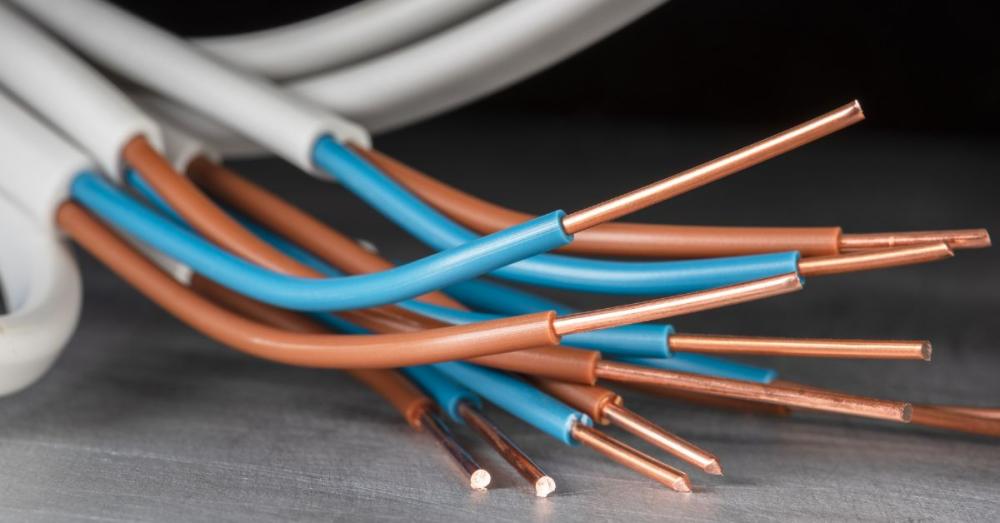
One only needs to spend a few minutes considering some of the typical conditions of the great outdoors, to understand that electrical installations in external settings will inevitably be subject to various challenges over time.
The task of selecting the right outdoor cables for such environments is a critical one. After all, you can’t expect “just any old” cable to stand up well to the rain, ultraviolet (UV) exposure, temperature swings, and moisture.
Such risks as water and dust ingress, as well as physical damage can be very real for cables used outdoors, with the associated potential consequences for longevity and safety.
Are you reading this as someone who needs to wire garden lighting, install power to an outbuilding, or run external data cabling around a commercial premises, to cite just some possibilities? If so, you might appreciate our advice and guidance on how to pick the right outdoor cable for your project.
Why Is the Use of Suitable Outdoor Cables So Important?
Standard indoor cables are not designed to cope with prolonged exposure to adverse weather or mechanical stress.
If you were to use such cables for an outdoor electrical installation, this could bring a greatly heightened likelihood of problems like:
- Cracked insulation
- Water ingress
- Electrical faults
- Compromised performance
- Fire and electric shock
By contrast, outdoor-rated cables are made with tougher insulation and protective sheathing, to guard against many of the dangers that open-air settings can bring.
Consider These 4 Factors to Determine the Appropriate Outdoor Cable for Your Project
Various types of cables can be used successfully in outdoor environments. So, you’ll need to know how to whittle down your options when it comes to matching the right cable to your project.
Here are some of the fundamental aspects to consider:
- Weather Resistance
Across many parts of the world such as the UK, the climate can be less than predictable. This means cables meant for use outdoors need to be able to withstand a multitude of conditions, encompassing the likes of rain, damp, frost, temperature changes, UV exposure, wind, and environmental wear.
In light of this, you should be looking for cables that are specifically rated for outdoor use, complete with UV-stable and water-resistant sheathing.
- Mechanical Protection
Will the cables in your system likely be exposed to foot traffic, gardening tools, vehicles, and/or wildlife? In that case, it will be especially important to choose a cable incorporating robust protection.
Armoured cables are often favoured for buried or exposed outdoor installations. Such cables provide crucial additional resistance against impact and crushing.
Steel Wire Armoured (SWA) cable is commonly used and trusted for permanent outdoor power. Featuring a galvanised steel wire layer to provide impressive mechanical protection against accidental cuts from garden tools, SWA cable is a particularly wise choice for underground runs to sheds, garden sockets, and security lighting.
- Voltage And Load Requirements
Before you decide on a specific cable size, it will be important to calculate the electrical load. A cable that is undersized for the given task may overheat or suffer from voltage drop over longer distances.
Scrupulous consideration of such factors as total wattage or current demand, as well as cable run length and probable future expansion needs, will help you determine the outdoor cables that will be needed.
- Installation Method
Another factor that will dictate the type of cable necessary for the given project, will be the nature of the environment in which the cable is to be installed.
If, for instance, the cable will be:
- Buried underground, the cable chosen will need to be suitable for direct burial. Another possibility here could be to install the cable within ducting for enhanced protection.
- Fixed to exterior walls, you should be seeking out UV-resistant cable clips and using weatherproof routing methods.
- Installed outdoors only on a short-term basis, flexible rubber cables are often a great choice for portable equipment and temporary power.
It’s Well Worth Taking the Time to Determine the Best Outdoor Cable for The Job
You might imagine at first that the process of choosing the most suitable cable for an outdoor system would be largely, or even purely, about making sure it is waterproof.
In truth, though, you will need to take account of various factors when narrowing down your options. These will encompass such aspects as environmental exposure, mechanical protection, electrical load, installation method, and compliance with UK standards (not least BS 7671, also known as the IET Wiring Regulations).
The great news is that going through all these aspects before you finalise your decision on a cable will be more than worthwhile. It will go a long way to ensuring your outdoor installation is as safe and durable as possible. That, in turn, will mean you can be confident in the resultant system delivering reliable performance for years to come.