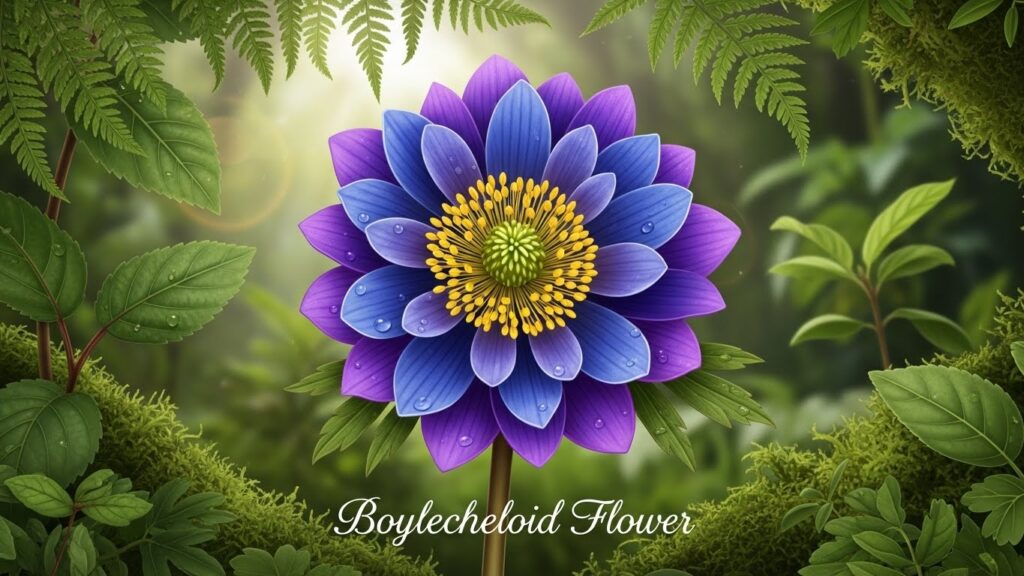
The world of plants hides many unknown treasures, and among them, the boylecheloid flower stands out as a fascinating and elusive botanical subject. For those who have never encountered it, this guide will introduce its origins, growth requirements, cultural symbolism, and modern applications. Whether you are a nature enthusiast, a gardener, or a researcher, learning about the boylecheloid flower can feel like discovering a secret living gem. Its unusual appearance, soothing scent, and historical ties to healing make it a plant worth understanding and appreciating.
Introduction to the Boylecheloid Flower
The boylecheloid flower is a rare perennial plant that grows naturally in remote environments, often protected by geographical isolation. Those who have seen it describe its petals as layered, narrow, and slightly iridescent when exposed to sunlight. Unlike many popular ornamental flowers, the boylecheloid is more valued for its herbal and cultural use than its decoration. The scent is earthy and subtle, making it ideal for relaxation and aromatherapy rituals.
Botanists often refer to the boylecheloid flower as an adaptive survivor because of its ability to thrive with minimal watering and in soil conditions that many plants would not tolerate. This adaptability has contributed to the plant’s longstanding connection with themes of endurance and renewal in folklore. The rarity and distinctiveness of the flower inspire curiosity, making it a plant that invites both study and admiration.
Botanical Characteristics
From a physical standpoint, the boylecheloid flower is defined by its spiraling bloom structure. Its stem is slender but surprisingly strong, capable of supporting the weight of the dense layered petals. The flower exhibits color variations ranging from soft amber tones to muted lavender shades. These colors change depending on altitude, sunlight exposure, and soil nutrient levels. Another intriguing aspect is its root system, which spreads deep into the ground, helping the plant extract limited water sources and survive drought-like conditions.
In the wild, the flower opens during early morning hours and closes again shortly after dusk, a behavior that helps protect its pollen from environmental stress. Pollinating insects, particularly bees and small butterflies, rely on its nectar during seasonal bloom cycles. Although its bloom period is relatively short, the ecological contribution it makes during that time is significant.
Origins and Historical Roots
The origins of the boylecheloid flower trace back to ancient highland communities where it was first recognized not simply as a plant, but as a symbol of renewal. Oral history suggests that tribal healers used dried petals as offerings in rituals meant to cleanse the spirit. Some stories even imply that warriors returning from hardship were given a tea infused with boylecheloid petals to restore inner balance and courage.
Historical trade evidence, although limited, shows that dried boylecheloid petals were exchanged along early trading routes similar to herbs and spices. This hints that it was viewed as a valuable commodity among small communities. Its transition from a sacred ceremonial plant to one that is now studied in herbal wellness circles shows how traditional knowledge continues to influence modern discovery.
Habitat and Growth Conditions
The natural habitat of the boylecheloid flower includes mountainous slopes, grassland plains, and mildly humid forest borders. It prefers nutrient-rich, well-draining soil and thrives in environments where sunlight is indirect but consistent. Strong winds and dryness seem not to harm it, reinforcing its resilient nature.
Gardeners attempting to grow the flower outside of its native region should recreate similar soil conditions by using compost, aerated garden soil, and minimal watering. Too much moisture can damage its roots, so controlled hydration is essential. Cultivating the flower in raised beds or deep containers allows its roots to expand, which encourages stronger growth.
Cultural and Symbolic Significance
Symbolism contributes heavily to why the boylecheloid flower remains cherished in stories. Many cultures associate it with resilience, patience, and inner healing. The act of watching the flower slowly bloom is often compared to the emotional journey of recovering from hardship – slow, steady, and beautiful in its own time.
Some individuals place dried petals in home spaces to promote emotional clarity, while poets use it as a metaphor for strength during uncertainty. Though these symbolic uses are spiritual rather than scientific, they form a meaningful part of the flower’s identity and history.
Medicinal and Healing Properties
Traditional healers long believed that the boylecheloid flower offered calming benefits and may support the body’s natural healing processes. The petals were often brewed into a calming tea, while the roots were used in thick herbal pastes for topical application. Though research is limited, herbal practitioners claim that it helps with emotional strain, sleeplessness, and mild stress-related discomfort.
Modern holistic wellness continues to experiment with the potential medicinal value of the plant. Aromatherapy practices use its earthy scent to promote mental grounding and nervous system relaxation. Because no major clinical trials have been completed, users should consider these applications supportive rather than medically verified.
Uses in Modern Wellness and Skincare
The contemporary beauty and wellness industry frequently seeks botanical ingredients that soothe the skin and calm the senses. Extracts from the boylecheloid flower have begun appearing in boutique skincare products like herbal creams, soothing lotions, and scented balms designed for stress relief.
Tea makers experiment by blending dried petals with herbal bases such as mint leaves or green tea, creating soothing beverages. In spas that practice natural therapies, boylecheloid oil infusions are sometimes incorporated into massage sessions to enhance relaxation.
Harvesting and Seasonal Availability
Knowing when to harvest the flower is essential for maintaining its freshness and efficacy. It typically blooms during late spring to early summer. Harvesters often wait until the petals are at full bloom but before they begin to wilt. This ensures that the natural oils and active elements of the plant are preserved.
To pick them correctly, sharp clean shears should be used, cutting the stem gently to avoid damaging the root network. After harvesting, petals are commonly dried in cool shaded rooms to retain color and aroma.
| Bloom Season | Best Harvest Period | Ideal Preservation Method |
|---|---|---|
| Late Spring | Mid-bloom stage | Air-drying in shade |
| Early Summer | Before petal wilting | Light pressing & sealing |
Boylecheloid Flower in Folklore and Literature
Across literature and stories, the boylecheloid flower appears in poems and fables as a representation of emotional transformation. Characters in folklore often carry the flower as a sign of hope through adversity. In written texts, artists use its imagery to describe beauty that arises slowly rather than instantly.
Because of this poetic representation, the flower is often depicted in artwork and paintings found in cultural museums. While not a household term, it continues to inspire those who appreciate the subtle art of symbolic storytelling.
How to Identify the Plant Correctly
Accurate identification is essential because several wildflowers resemble the boylecheloid visually. Key identifiers include its spiral petal formation, earthy aroma, slender stem, and iridescent sheen. The root system is more complex than that of similar wildflowers, extending deeper into the soil.
A helpful way to remember the plant’s distinctiveness is through this short checklist:
- Spiral-shaped layered petals
- Subtle earthy scent
- Color tone ranging lavender to amber
- Strong, slender stem
- Thrives in rocky or nutrient-poor soil
Growing the Boylecheloid Flower at Home
For those who wish to cultivate the plant, begin by selecting soil mixed with compost and sand to improve drainage. Seeds should be planted shallowly to allow easier sprouting. Morning sunlight exposure is ideal, followed by shade in the afternoon. Watering should be done sparingly.
Seasonal temperature shifts should be monitored carefully, as extreme frost may hinder young growth. Patience is key, as the plant grows slowly and may take a full season before producing its first bloom.
Environmental Role in Nature
The boylecheloid flower supports ecosystems by providing nectar to insects and maintaining loose soil structure. Its roots prevent erosion in rocky hillsides, while its nectar-rich blossoms sustain pollinators for several weeks during early summer months.
In areas affected by drought, its presence signifies environmental recovery. This is why some ecological restoration projects include boylecheloid seeds to help reestablish native plant balance.
Potential Risks and Considerations
Although widely considered safe, some individuals may experience mild allergies when exposed to pollen. Pregnant individuals or those with medical sensitivities are often advised to avoid consuming any unverified herbal teas. Always consult an herbal specialist before using the flower for therapeutic purposes.
Economic and Agricultural Value
Because the plant is rare, commercial harvesting remains very limited. Small specialty farms produce handcrafted oils and dried petals which are sold in niche herb markets. As consumer interest in organic and botanical wellness continues to grow, the economic potential of the flower increases. However, sustainability remains a concern because overharvesting could threaten wild populations.
Final Thoughts on the Boylecheloid Flower
The boylecheloid flower is more than a plant; it is a story woven through nature, culture, and healing. Its resilience makes it an emblem of strength. Whether appreciated for its calming scent, visual beauty, or spiritual symbolism, the flower continues to be valued by many. With research expanding, future generations may uncover even more applications for this remarkable botanical treasure.
Conclusion
Learning about the boylecheloid flower reveals how nature blends science, culture, tradition, and wellness into a single living organism. Its rarity, historical roots, ecological role, and modern applications make it a plant worthy of recognition. Whether placed in gardens, studied in research, or used for gentle wellness rituals, it serves as a reminder of how intricate and generous the natural world can be. As long as it is harvested responsibly and appreciated respectfully, the flower will continue to offer inspiration and calm to those who seek it.
FAQs
Is the boylecheloid flower safe to use in tea?
It is traditionally used in teas for calming, but individuals with allergies or health conditions should consult a professional first.
How rare is this flower?
It is naturally rare due to limited native habitats and slow reproduction.
Can it grow indoors?
Yes, but only with controlled lighting, drainage, and airflow conditions.
Does the flower have a strong scent?
No, its aroma is subtle and earthy, ideal for relaxation.
What climate does it grow best in?
Cool climates with indirect sunlight and low water exposure.
Is the flower edible?
Only dried petals are traditionally used in beverages. Other parts should not be eaten.
Do insects rely on it?
Yes, bees and small butterflies depend on it during bloom season.
What colors does it come in?
It ranges from soft lavender to amber hues depending on soil and altitude.
Can it be purchased commercially?
Only through specialty herbal markets and boutique botanical sellers.
How long does it take to bloom after planting?
It may require one full season before its first blossoms appear.
Learn actionable investment tips only at Craig Scott Capital.